Check the roof and gutters
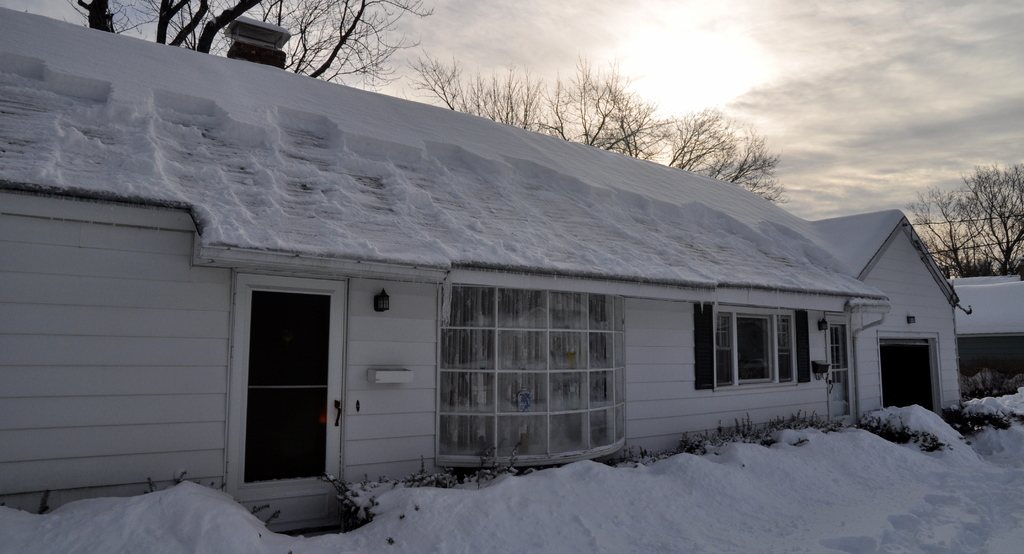
Your roof takes the brunt of winter weather. Before the cold sets in, look for missing or damaged shingles, cracked flashing and signs of leaks in the attic. Clear gutters and downspouts of leaves so melting snow and rain can drain away instead of backing up and forming ice dams.
- Replace damaged or lifted shingles
- Reseal flashing around chimneys and vents
- Make sure downspouts direct water away from the foundation
Seal drafts around windows and doors
Small gaps around windows and doors let warm air escape and cold air in. Fresh weatherstripping, door sweeps and caulk are simple fixes that make a noticeable difference. If your windows feel cold to the touch or fog up between panes, it may be time to consider energy-efficient replacements.
An afternoon of preparation in autumn can save a great deal of worry once the snow starts to fall.
Boost your insulation
Heat rises, so the attic is often the best place to start. Adding insulation there, along with sealing gaps around light fixtures and pipes, keeps rooms warmer and lowers heating costs. Insulating exposed pipes in crawl spaces and garages also helps prevent them from freezing.
Service your heating and check safety devices
Have your furnace, boiler or heat pump serviced so it runs safely and efficiently all season. If you use a fireplace or wood stove, arrange a chimney sweep and inspection. Test smoke and carbon monoxide alarms and replace batteries so your family stays protected.
- Replace furnace filters regularly
- Keep space around stoves and heaters clear
- Check that alarms are working on every level
Prepare the outside
Disconnect garden hoses and shut off outdoor taps to prevent burst pipes. Trim branches that hang over the roof or power lines, and store outdoor furniture somewhere dry. Keep a supply of de-icer and a sturdy shovel ready so paths and steps stay safe.
Ready to get started?
Every home is different, and the right plan depends on your space, your style and the way you live. If you would like help bringing these ideas to life, get in touch with our team for a free consultation.